
What Safe Mobility 2026 Revealed About the Future of Transportation Safety

Safety
Safety Research That Goes Beyond Crash Reports
Crash reports are essential to transportation safety planning, but they only show what happened after something went wrong. RSG helps agencies understand the safety concerns, perceptions, and travel choices that traditional crash data and vehicle-based datasets often miss.
We collect and analyze travel behavior data that reveals how people experience the transportation system: where they feel unsafe, which routes or modes they avoid, and which trips they do not take at all. Because data collection and modeling live under one roof at RSG, we also help agencies connect these insights to planning, policy, and investment decisions that support safer mobility for all users.
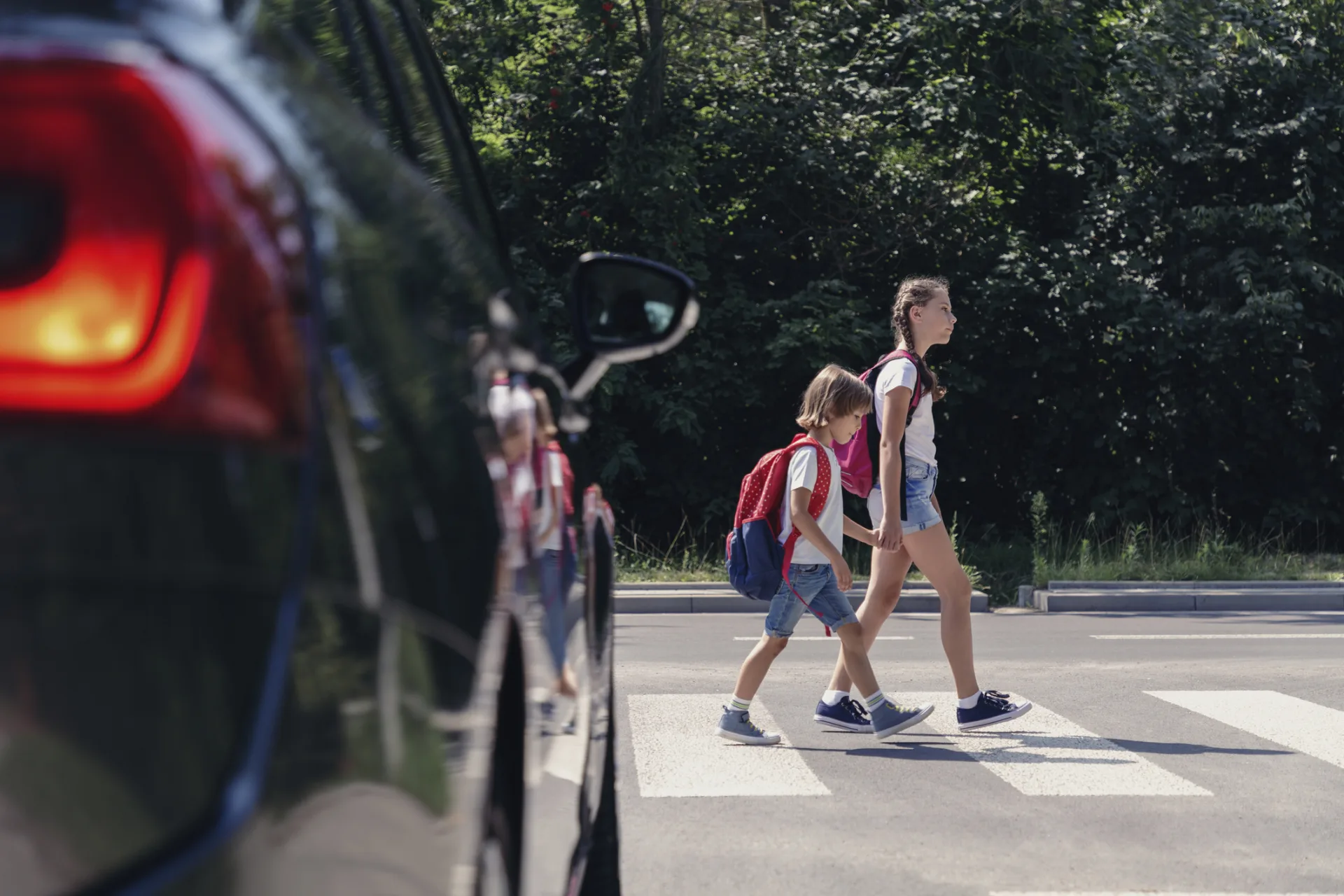
Agencies are investing in safer streets, speed management, Vision Zero planning, and multimodal safety programs, but many teams still face important data gaps.
- Crash data is reactive: It shows where reported crashes occurred, but not the near misses, personal security concerns, or perceived risks that influence how people travel before a crash happens.
- Vehicle-based data has limits: Telematics, connected-vehicle data, and hard-braking data can help identify unsafe driving conditions, but they often provide limited insight into walking, biking, rolling, transit use, and trips that never occur.
- Perceived safety shapes real travel choices: People may change routes, shift modes, drive instead of walking or biking, take longer trips, pay more for travel, or avoid destinations entirely because they do not feel safe.
RSG helps fill these gaps with safety-oriented research designed to capture both observed travel behavior and the perceptions behind it.
- Expand existing surveys: We can add targeted safety questions to household travel surveys, helping agencies understand whether safety concerns affect route choice, mode choice, school travel, active transportation, transit use, and access to destinations.
- Measure unmet travel needs: We collect data on the trips people avoid, the modes they do not choose, and whether they changed their route because of safety or security concerns.
- Strengthen multimodal exposure analysis: Tools such as rMove® can capture pedestrian and bicycle trace data, giving agencies more insight into nonmotorized travel patterns and where safety concerns may be shaping those trips.
- Combine quantitative and qualitative insight: We pair survey data with qualitative research to understand not only where safety concerns exist, but why they matter to the people using the system.
Our work helps agencies move beyond an after-the-fact view of safety. By capturing speed, exposure, travel patterns, perceptions, and lived experience, RSG helps planners understand what communities need to travel with greater confidence.

Explore Related Services