

RSG Principal Ken Kaliski to Co-Chair Renewable Energy Noise Session at NOISE-CON 2026

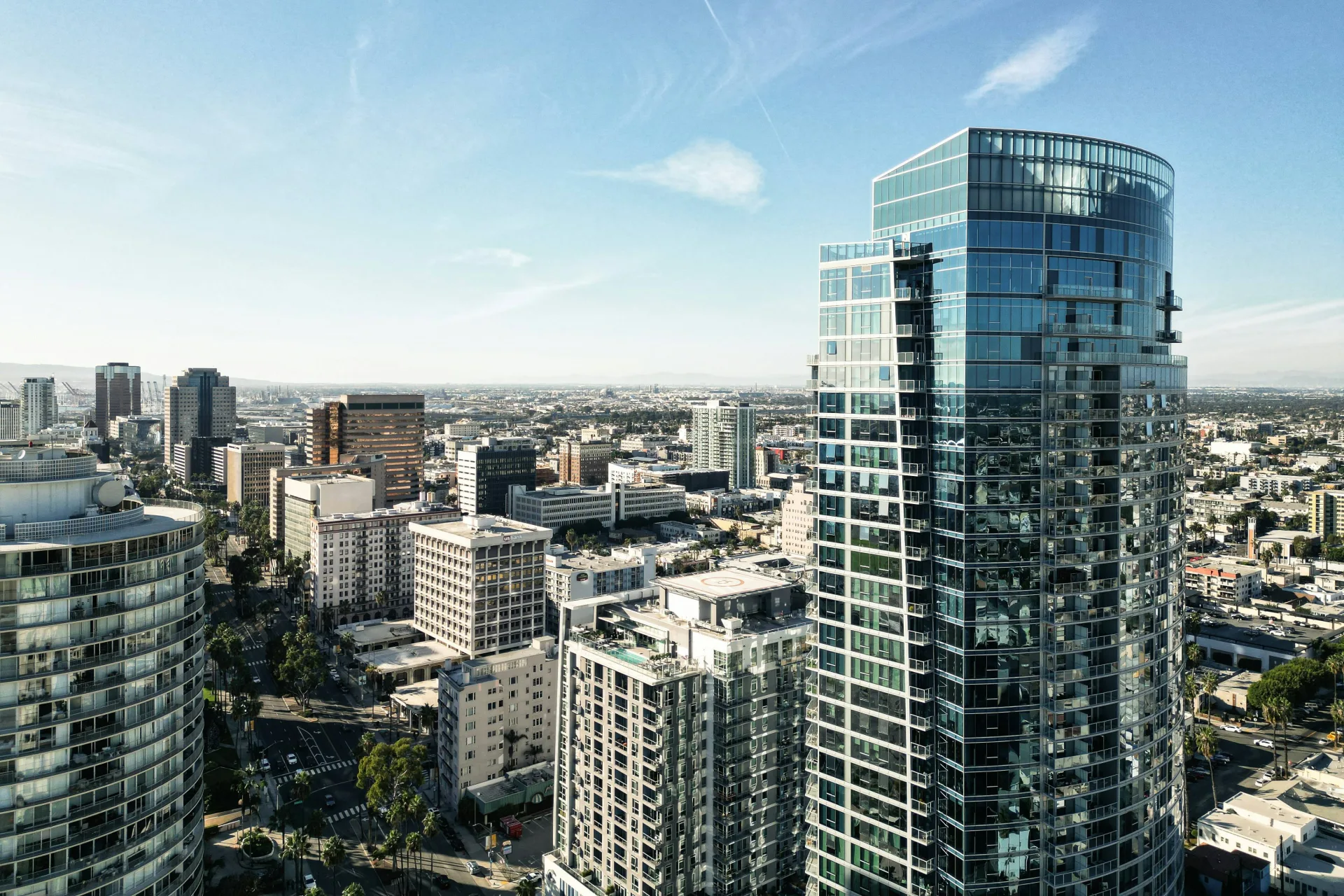
Image of Long Beach, California, skyline

RSG Principal Ken Kaliski will attend NOISE-CON 2026 in Long Beach, California, where he will co-chair the Renewable Energy Noise technical session on Thursday, July 9, from 10:00 a.m. to 11:20 a.m. PT.

The session will focus on current research, methods, and applied practices related to noise from renewable energy sources. Ken’s participation reflects RSG’s ongoing work in noise control engineering, including the analysis and modeling needed to help communities, developers, and decision-makers better understand and address complex acoustics challenges.

RSG’s Indi Savitala, Market Leader for Acoustics, will also attend.

Who? Ken Kaliski, Principal; Indi Savitala, Market Leader, Acoustics

What? Co-chairing the “Renewable Energy Noise” technical session

Where and When? NOISE-CON 2026, Long Beach, California; Thursday, July 9, from 10:00 a.m. to 11:20 a.m. PT

Learn more about RSG’s noise control engineering work


Featured Service
Experts in Noise Control Engineering
RSG offers acoustics services to governments and businesses, employing similar methods for data collection, modeling, and interpretation as in transportation.
Explore Noise Control Engineering
Contact Us
Connect with Our Team
Are you interested in learning more about how our experts can help you?
Let's Connect
Featured Service
Delivering Freight Insights that Move the Economy Forward
From urban delivery to national logistics, RSG integrates real-world mobility data and behavioral freight models to show how goods truly move, helping governments and businesses make smarter, data-driven decisions.
Explore Freight Movement
Featured Case Study
Designing Transportation Solutions that Strengthen Communities
RSG partnered with the Connecticut Office of Workforce Strategy to turn data and lived experience into pilot programs that expand access to jobs, strengthen families, and build a more resilient transportation future.
Read the Case Study